As temperatures begin to fall, preparing your rental property for winter becomes an important responsibility. Cold weather, heavy rainfall and shorter days can expose maintenance issues that may otherwise go unnoticed, potentially leading to expensive repairs and uncomfortable living conditions for tenants.
For landlords working with Letting agents in Chelsea, taking a proactive approach to winter maintenance can help protect property investments and ensure tenants remain safe and comfortable. Whether you own a period townhouse, a modern apartment or a converted flat, a few preventative measures can make a significant difference during the colder months.
Check Your Boiler and Heating System
A reliable heating system is essential during winter. A boiler breakdown can leave tenants without heating or hot water, creating considerable inconvenience and potentially requiring emergency repairs.
Before temperatures drop, arrange for a qualified heating engineer to inspect the system and address any developing issues.
Key checks include:
- Servicing the boiler according to the manufacturer’s recommendations.
- Testing radiators to identify cold spots or trapped air.
- Checking thermostats and heating controls.
- Inspecting visible pipework for leaks.
- Confirming that hot water and central heating operate efficiently.
Landlords in England must arrange annual gas safety checks for relevant appliances and flues through a Gas Safe registered engineer. These mandatory checks are separate from routine boiler servicing, although both can often be arranged during the same visit.
Inspect the Roof, Gutters and Drainage
Winter rainfall can quickly turn minor roofing defects into serious maintenance problems. Loose tiles, damaged flashing and blocked gutters may allow water to penetrate walls, ceilings, and roof spaces.
Inspect the roof for visible damage and arrange professional repairs where necessary. Gutters and downpipes should also be cleared of leaves, moss, and accumulated debris to maintain proper drainage.
Read More: Autumn Budget 2026: What UK Homeowners, Buyers and Landlords Need to Know
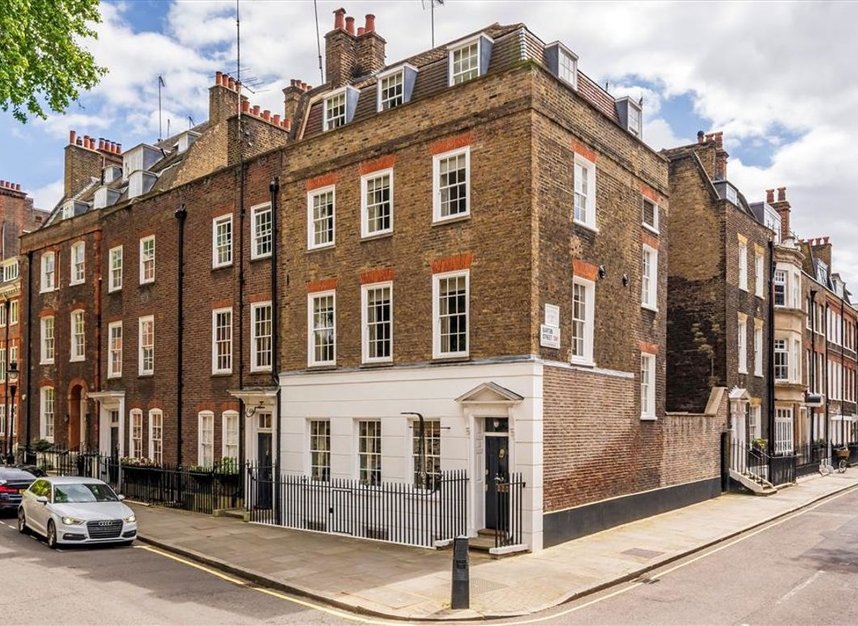
For Chelsea’s older terraced properties and period conversions, particular attention should be given to ageing roof coverings, parapet gutters, and concealed drainage systems.
Addressing these issues early can help prevent damp, damaged plaster work, and costly structural repairs.
Improve Insulation and Draught-Proofing
Poor insulation allows valuable heat to escape, making rental properties harder and more expensive to keep warm.
Landlords should assess whether their property’s existing insulation remains effective, particularly in loft spaces and around exposed pipework.
Practical improvements include installing suitable loft insulation, sealing gaps around windows, fitting draught excluders, and insulating accessible hot water pipes.
Period properties may require more sensitive solutions. For example, traditional sash windows can benefit from discreet draught-proofing without compromising their character.
Improving thermal performance can increase tenant comfort while reducing unnecessary energy consumption. Any proposed improvements should also take account of applicable energy efficiency requirements and building restrictions.
Protect Plumbing Against Frozen Pipes
Frozen pipes can cause significant damage when trapped water expands, and pipework cracks. Once temperatures rise, the resulting leaks may damage flooring, ceilings, and neighbouring properties.
Insulate exposed pipes in lofts, basements, and other unheated areas. Check for existing leaks, dripping taps, and signs of corrosion before winter arrives.
Tenants should also know where the main water stopcock is located and how to isolate the supply during an emergency.
For properties left unoccupied over winter, consider maintaining appropriate background heating and following professional advice on protecting the plumbing system.
Prevent Damp, Mould and Condensation
Condensation becomes more common during colder months, particularly when warm indoor air meets cold surfaces.
Without adequate ventilation, excess moisture can contribute to mould growth, affecting both the property and its occupants.
Look for early warning signs, including:
- Dark patches around windows and external walls.
- Persistent condensation on glazing.
- Peeling wallpaper or damaged paintwork.
- Musty odours in cupboards and bedrooms.
Check extractor fans in kitchens and bathrooms, ensure ventilation openings remain unobstructed, and investigate leaks or insulation defects.
Landlords have responsibilities to address hazards affecting tenants’ health and safety. Mould should never automatically be attributed to tenant behaviour; identifying and resolving the underlying cause is essential.
Examine Windows and Doors
Damaged window seals and poorly fitting doors can allow cold air and rainwater into a property.
Inspect frames, hinges, glazing, and weather seals for deterioration. Ensure windows close properly and external doors remain secure.
In older Chelsea properties, timber frames may require particular attention, as prolonged moisture exposure can cause swelling or decay.
Prompt repairs help maintain warmth, security, and the overall condition of the building.
Review Smoke, Carbon Monoxide and Electrical Safety
Winter often brings increased use of heating appliances, making safety precautions especially important.
In England, landlords must provide smoke alarms on every storey containing living accommodation and carbon monoxide alarms in rooms used as living accommodation containing fixed combustion appliances, excluding gas cookers.
Read More: Trusted Solar Street Light Manufacturer for Commercial & Industrial Projects
Required alarms must be tested at the beginning of a new tenancy, with faulty alarms repaired or replaced when reported.
Landlords must also ensure electrical installations are inspected and tested by a qualified person at least every five years, or sooner where the relevant report requires it.
Before winter, review safety records, check alarm functionality and ensure tenants understand how to report faults promptly.
Keep Tenants Informed Throughout Winter
Effective communication is one of the simplest ways to prevent avoidable winter maintenance problems.
Provide tenants with clear guidance on operating heating controls, maintaining reasonable ventilation and reporting leaks or heating faults.
Encourage early reporting rather than allowing small issues to develop into emergencies.
Landlords working with experienced Letting agents in Chelsea can also benefit from local knowledge, coordinated maintenance appointments and regular property inspections, helping identify potential problems before they become more serious.
Protect Your Rental Property with Proactive Winter Maintenance
Preparing a rental property for winter is about more than avoiding unexpected repair bills. It helps preserve the building’s condition, supports tenant wellbeing and reduces the likelihood of disruptive maintenance emergencies.
By checking essential systems, improving insulation, addressing moisture problems and maintaining open communication with tenants, landlords can approach the colder months with greater confidence.
A well-maintained property is also more likely to encourage positive tenant relationships, minimise avoidable disruption and protect the long-term value of your rental investment.
About the Author