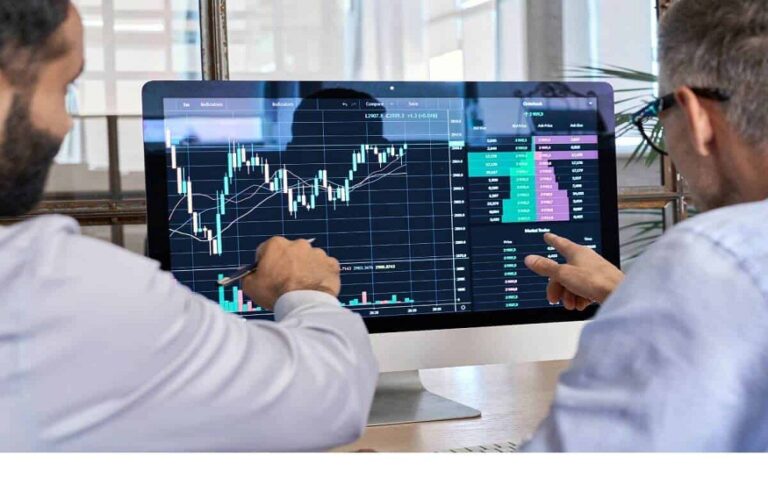
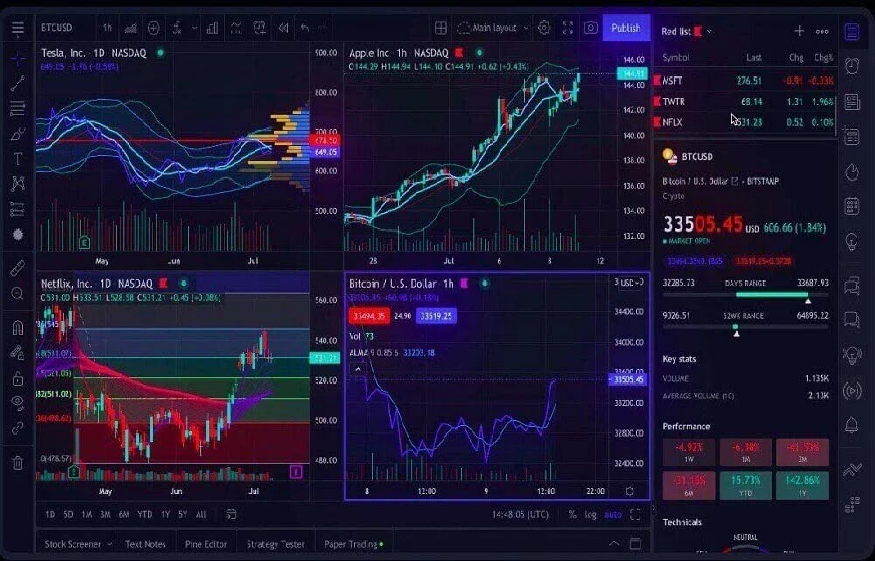
Daily repetition of perception accomplishes something that occasional analysis cannot. A trader who sits with the same tools every morning, marks levels, checks overnight behavior, and reviews how price responded to key areas in the prior session begins to develop a spatial familiarity with those markets that changes how new information is processed. Patterns that once required conscious effort begin to surface automatically. Anomalies that would previously have gone unnoticed begin to stand out without effort, as though the chart is flagging them rather than the trader having to search. That is not talent but stored experience expressed as sharpened perception.
Discipline is not sustained by willpower alone but by routine. A trader who examines markets at the same time each day through a structured process is not relying on motivation to stay consistent. The behavior becomes procedural, folded into the day the way any professional practice becomes habitual through regular execution. A surgeon does not decide each morning to follow sterile procedure. A trader who has built genuine daily chart analysis routines operates under a similar procedural automaticity, where the process runs not because the trader feels particularly attentive that day, but because it is simply what happens.
Read More : Money Market Explained and Its Role in Short-Term Financial Systems
What begins as a daily chart review slowly becomes something more layered. Over weeks and months, the trader accumulates working knowledge of how a specific instrument tends to behave at particular times, how a currency pair behaves in the hour before a major session opens, how a given index handles an overnight gap, how a particular support area has been tested and defended across dozens of prior instances. TradingView charts are not a display of abstract data but a living record of behavioral patterns that the trader has personally observed and internalized. That kind of experience carries a quality that no strategy guide can replicate.
Pre-session preparation is a habit that deepens through daily practice in ways that are easy to underestimate. Initially, a trader marks levels because the process requires it. Over time, that act of marking levels becomes genuine analytical inquiry, an act of questioning what price has respected, where significant decisions have been made, and what those areas suggest about likely behavior in the session ahead. One trader who had maintained a daily review habit described the transformation as the same physical action taking on an entirely different cognitive weight as the understanding beneath it deepened.
Emotional regulation improves as a byproduct of daily practice in ways that trading education rarely addresses. A trader who has watched dozens of cycles in an instrument develops a kind of equanimity toward short-term volatility that newer traders simply lack. When price moves sharply against a position, the experienced daily analyst has a mental library of comparable situations to draw from, which dampens the automatic alarm response that drives hasty poor decisions. The familiarity built through consistent work on TradingView charts acts as a stabilizing anchor during the moments it is needed most.d
Read More : Best Table Fan in 2026: Complete Buying Guide for Smart Cooling
Daily analytical habits are compounding in nature, and that is what makes it genuinely powerful over a multi-year horizon. Every session adds a small increment of observational knowledge. Each of the reviews incorporates the new experience into the aggregate of market knowledge the trader has been developing. Whenever a pattern is identified, the neural networks which support it are reinforced, so that subsequent recognition is quicker and more sure. Any one single increment does not make a difference in itself, but the distinction between a trader who is always left guessing what will happen next and one who has accumulated over months and years of disciplined daily practice a profound, personal, and really useful knowledge of how the prices work is the difference between them.
About the Author